









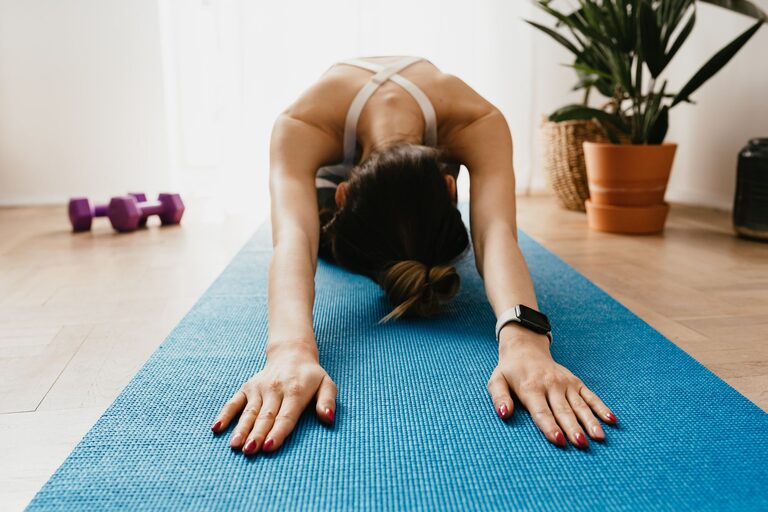
Stretching is an easy and accessible way to improve your physical health right from the comfort of your home. For beginners, starting a stretching routine can feel daunting, but with the right guidance, you can enhance your flexibility, reduce muscle tension, and feel more energized throughout the day. This guide will walk you through the basics of stretching at home, providing tips, common stretches, and best practices.
Why Stretching Matters
Stretching helps maintain the flexibility of your muscles and joints, which is essential for everyday movements. Regular stretching can:
– Increase your range of motion
– Improve posture
– Reduce the risk of injury
– Alleviate muscle stiffness and soreness
– Promote relaxation and reduce stress
Even if you lead a mostly sedentary lifestyle, gentle stretching can counteract the effects of prolonged sitting.
Getting Started: Preparing to Stretch at Home
Before diving into stretches, it’s important to create a safe and comfortable environment.
Find a Space
Choose a quiet, open area where you can move freely. A yoga mat or towel can provide cushioning and support, especially if you’re doing floor stretches.
Wear Comfortable Clothing
Opt for loose or stretchy clothes that won’t restrict your movement.
Warm Up Your Body
Stretching cold muscles can lead to injury. Spend 3 to 5 minutes warming up with light activity like walking in place, marching, or gentle arm swings.
Types of Stretching for Beginners
There are several types of stretching, but two main types are especially beneficial for beginners:
Static Stretching
This involves holding a stretch in a comfortable position for 15 to 60 seconds. It’s effective for improving flexibility and is best done after light warm-up or at the end of your exercise session.
Dynamic Stretching
Dynamic stretches involve moving parts of your body through a full range of motion. These are great for warming up and preparing your muscles for activity.
For a beginner’s home routine, focusing on static stretching is usually the safest and simplest way to start.
Beginner-Friendly Stretches to Try at Home
Here are some basic stretches you can incorporate into your daily routine.
Neck Stretch
– Sit or stand with your back straight.
– Slowly tilt your head to the right, bringing your ear toward your shoulder.
– Hold for 20-30 seconds, then switch sides.
– This stretch relieves tension in the neck and shoulders.
Shoulder Stretch
– Extend your right arm across your body.
– Use your left hand to gently press your right arm toward your chest.
– Hold for 20-30 seconds, then switch arms.
– Perfect for loosening tight shoulders.
Chest Opener
– Clasp your hands behind your back.
– Straighten your arms and lift your chest while squeezing your shoulder blades together.
– Hold for 20-30 seconds.
– This stretch improves posture and opens the chest muscles.
Seated Forward Fold
– Sit on the floor with legs extended straight.
– Slowly bend forward from the hips, reaching toward your toes.
– Keep your back straight and go only as far as comfortable.
– Hold for 30 seconds.
– This stretch targets the hamstrings and lower back.
Cat-Cow Stretch
– Start on your hands and knees in a tabletop position.
– Inhale, arch your back and lift your head and tailbone (Cow).
– Exhale, round your back and tuck your chin toward your chest (Cat).
– Repeat slowly for 6-8 breaths.
– This dynamic stretch improves spinal flexibility.
Hip Flexor Stretch
– Kneel on your right knee with your left foot in front, forming a 90-degree angle.
– Push your hips forward gently until you feel a stretch in the front of the right hip.
– Hold for 20-30 seconds, then switch sides.
– Helps counteract tightness from prolonged sitting.
Tips for Effective Stretching
– Breathe deeply: Slow, deep breaths help your muscles relax.
– Don’t bounce: Hold each stretch steadily to avoid injury.
– Stretch both sides: Always balance stretches on the left and right sides.
– Listen to your body: Stretch until you feel gentle tension, not pain.
– Consistency is key: Aim to stretch at least 3-4 times a week for best results.
When to Stretch
You can incorporate stretching into various parts of your day:
– Morning: Helps wake up your body and reduce stiffness.
– After exercise: Prevents soreness and improves recovery.
– During breaks: Relieves tension from sitting or standing too long.
– Before bed: Promotes relaxation and better sleep.
Common Mistakes to Avoid
– Stretching cold muscles: Always warm up first.
– Holding breath: Remember to breathe smoothly.
– Overstretching: Avoid pushing too far; pain is a signal to stop.
– Skipping consistency: Irregular stretching yields less benefit.
Final Thoughts
Starting a stretching habit at home is simple and rewarding. With just a few minutes each day, you can improve your flexibility, reduce discomfort, and enhance your overall well-being. Remember to start slowly, listen to your body, and enjoy the process of moving more freely.
If you want, consider keeping a journal to track your progress and note how you feel after each session. This can provide motivation and help you develop a routine that works best for you.
Happy stretching!